


At Kanavu, building digital platforms is not about quick demos or surface-level features. The focus is always on creating Efficient Web Applications that can handle real usage, real data, and real-world constraints. Every project starts with understanding how information flows, how systems respond, and how databases and backend logic work together smoothly.This backend-first mindset reflects Kanavu’s Web Development Strategies for Idea to Web Product, ensuring each stage is planned with long-term performance in mind.
Kanavu follows a practical, tested approach where backend decisions are made early, not as an afterthought.
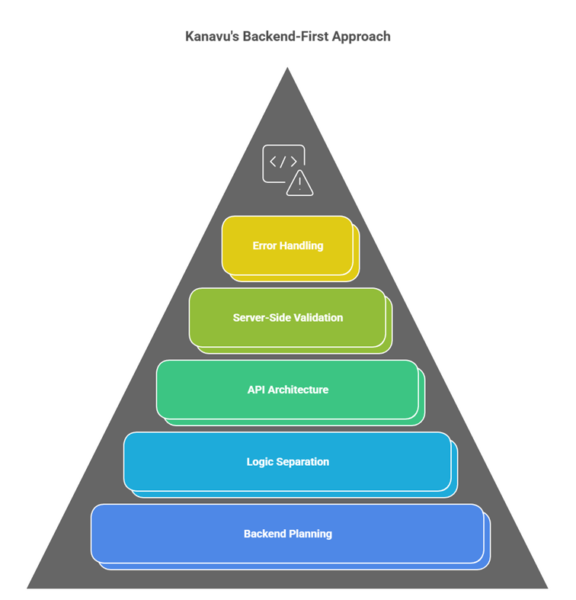
Backend-First Thinking at Kanavu
Before any interface is finalized, Kanavu plans the backend structure carefully. This ensures the application remains stable even as usage grows.
Key backend principles followed:
- Clear separation between frontend and backend logic
- API-driven architecture using PHP-based services
- Server-side validation to avoid data misuse
- Structured error handling and logging
This approach helps Kanavu deliver Efficient Web Applications that are predictable and easy to maintain.
Database Design That Reflects Real Usage
Kanavu primarily works with relational databases like MySQL, focusing on clarity and performance rather than complexity.
Database practices include:
- Well-normalized tables to avoid redundant data
- Indexed columns for faster query performance
- Clear relationships between tables
- Secure handling of sensitive data
Instead of overloading the database with unnecessary joins or logic, Kanavu keeps queries clean and optimized. This directly contributes to building Efficient Web Applications that respond quickly and scale steadily.
Backend Logic That Connects Everything
The backend acts as the brain of the application. At Kanavu, backend logic is written to be readable, modular, and reusable.
Typical backend responsibilities include:
- Handling form submissions and API requests
- Processing business rules and conditions
- Managing authentication and sessions
- Communicating between the database and frontend
By keeping backend logic structured and modular, Kanavu avoids performance bottlenecks and ensures Efficient Web Applications across different use cases.
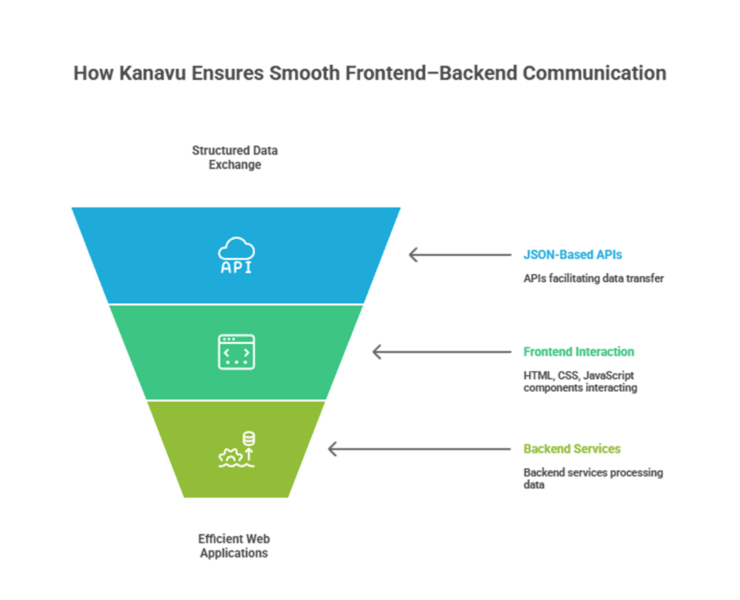
How Kanavu Ensures Smooth Frontend–Backend Communication
Kanavu relies on structured data exchange using JSON and APEX-based APIs. This allows frontend components built with HTML, CSS, and JavaScript to interact seamlessly with backend services.
The benefits:
- Faster data loading
- Clear request–response cycles
- Easy debugging and testing
- Flexibility for future expansion
This tight integration plays a major role in delivering Efficient Web Applications that feel responsive and reliable,clearly demonstrating Why User Experience Design Drives Startup Success in real-world digital products.
Security and Performance as Core Requirements
Efficiency is not just about speed—it also includes safety and consistency.
Kanavu implements:
- Prepared statements to prevent SQL injection
- Input sanitization on the server side
- Role-based access control
- Performance monitoring during development
These measures ensure that applications remain secure without compromising efficiency.
Why This Integration Matters
When databases and backend logic are thoughtfully integrated, applications:
- Load faster
- Handle errors gracefully
- Scale without major rewrites
- Remain easy to update
This is how Kanavu consistently delivers Efficient Web Applications built for long-term use, not short-term display.