


students interested in entrepreneurship, understanding these fundamentals is an important first step. An innovative idea becomes more meaningful when it addresses a real-world challenge and creates measurable value for its intended audience.
Entrepreneurship also encourages individuals to take initiative, think independently, manage uncertainty, and continuously learn from experience. These qualities are valuable not only for future business founders but also for students preparing for careers in technology, management, and other professional fields.
Why Entrepreneurship Education Matters for Engineering Students
Engineering education equips students with technical knowledge, analytical thinking, and problem-solving skills. Entrepreneurship helps them explore how these capabilities can be applied to real-world challenges.
An understanding of startup development can help engineering students:
- Identify market opportunities: Recognise problems that need practical and innovative solutions.
- Develop problem-solving skills: Apply technical knowledge to address real-life challenges.
- Think creatively: Explore new approaches, products, services, and business models.
- Understand business fundamentals: Learn the importance of customers, financial planning, operations, and sustainable growth.
- Build leadership skills: Develop the ability to work with teams, make decisions, and take responsibility.
- Create social impact: Explore opportunities to address challenges in education, rural development, and other areas of community life.
By encouraging entrepreneurial thinking alongside academic learning, engineering institutions can help students become not only skilled professionals but also potential innovators and startup founders.
Mr. Karthi Easwaramoorthy: Connecting Entrepreneurship with Social Impact
Mr. Karthi Easwaramoorthy, Founder and CEO of Kanavu.org, works towards empowering rural communities through innovation, education, and entrepreneurship.
His work reflects the importance of connecting ideas with meaningful outcomes. Entrepreneurship can create opportunities beyond conventional business growth when it is directed towards addressing community needs and expanding access to education and development.
For aspiring entrepreneurs, this broader perspective highlights an important principle: a successful venture can aim to create economic value while also contributing positively to society.
Through initiatives focused on rural empowerment and education, Kanavu.org represents the potential of innovation and entrepreneurship to contribute to community development.



Building a Startup: From an Idea to an Opportunity
For students who aspire to become entrepreneurs, the startup journey begins with curiosity and a willingness to solve problems. While every business journey is different, several fundamental steps can help turn an idea into a practical opportunity.
1. Identify a Real-World Problem
Successful startup ideas often begin by understanding an unmet need. Students can observe challenges in their communities, industries, educational institutions, and everyday lives to identify areas where better solutions are possible.
2. Research the Target Audience
Understanding potential customers is essential before developing a product or service. Research helps aspiring founders determine whether their idea addresses a genuine need and who may benefit from the proposed solution.
3. Develop and Test the Idea
Instead of waiting for a perfect product, entrepreneurs can begin with a simple prototype or minimum viable product (MVP). Testing the idea with potential users helps identify improvements before investing heavily in development.
4. Build a Sustainable Business Model
A startup needs a clear understanding of how it will deliver value, generate revenue, manage expenses, and sustain its operations. Financial planning and operational discipline are essential parts of long-term growth.
5. Build the Right Team
Entrepreneurship requires collaboration. A team with complementary skills in technology, marketing, finance, operations, and customer engagement can help transform an idea into a viable venture.
6. Learn, Adapt, and Grow
Challenges are a natural part of startup development. Entrepreneurs must be willing to evaluate feedback, learn from setbacks, adapt their strategies, and improve their products or services as they grow.
These principles provide a useful starting point for students who want to explore entrepreneurship while continuing their academic and professional development.
The Role of Colleges in Encouraging Entrepreneurship
Educational institutions play an important role in preparing the next generation of entrepreneurs. In addition to academic instruction, colleges can create opportunities for students to explore business ideas, interact with experienced professionals, and understand the practical challenges of launching a venture.
Entrepreneurship development sessions, industry interactions, workshops, startup awareness programmes, and mentoring opportunities can help bridge the gap between classroom learning and real-world application.
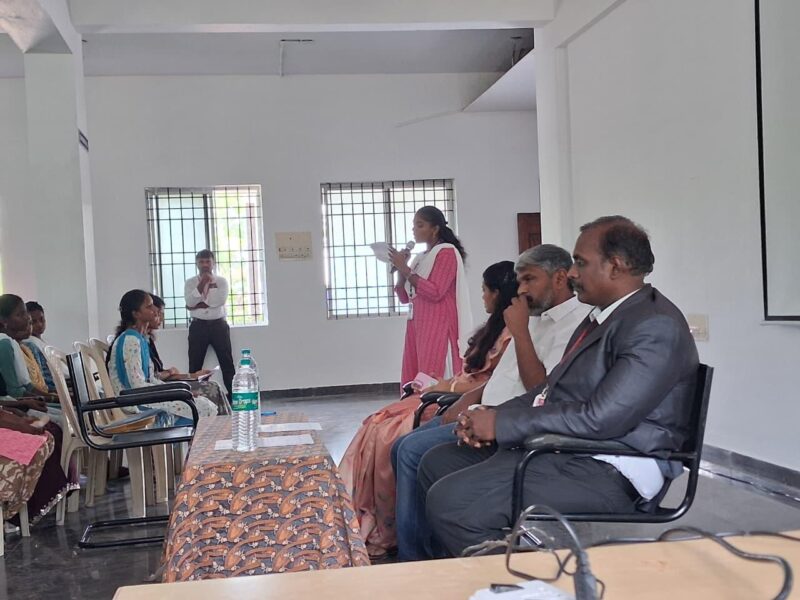
The Career Development & Entrepreneurship Cell at SRG Engineering College provides an institutional platform for engaging students with career development and entrepreneurship-related topics. Sessions such as “Building Startup” bring these subjects into the campus environment and encourage students to consider entrepreneurial pathways alongside traditional career options.
From Campus Ideas to Future Startups
Every startup begins with an idea, but turning that idea into a sustainable venture requires research, commitment, execution, and continuous learning.
For engineering students and young innovators, the journey towards entrepreneurship can begin while they are still in college. Observing real-world problems, collaborating with peers, participating in practical projects, and learning from entrepreneurial experiences can help build the foundation for future ventures.
The “Building Startup” session at SRG Engineering College on 6 October 2026 provided an opportunity to focus on the importance of entrepreneurship, innovation, and community empowerment.
As students explore the possibilities of startup development, the larger message remains relevant: innovation becomes more powerful when ideas are transformed into practical solutions that create value for people and society.
Frequently Asked Questions (FAQs)
What is startup building?
Startup building is the process of turning an idea into a sustainable business. It involves identifying a problem, researching the market, developing a solution, testing it, building a team, and creating a viable business model.
Why is entrepreneurship important for engineering students?
Entrepreneurship helps engineering students apply technical knowledge to real-world problems, develop leadership and business skills, explore innovative solutions, and consider starting their own ventures.
Who is Mr. Karthi Easwaramoorthy?
Mr. Karthi Easwaramoorthy is the Founder and CEO of Kanavu.org, an organisation focused on empowering rural communities through innovation, education, and entrepreneurship.
When was the Building Startup session conducted at SRG Engineering College?
The session was conducted on 6 October 2026 at 11:00 AM at the Seminar Hall of SRG Engineering College, organised by its Career Development & Entrepreneurship Cell.
How can students start preparing to become entrepreneurs?
Students can begin by identifying real-world problems, researching potential customers, developing small projects or prototypes, learning business fundamentals, collaborating with others, and seeking guidance from experienced professionals.
About Kanavu.org
Kanavu.org works towards empowering rural communities through innovation, education, and entrepreneurship. By focusing on opportunities for community development, Kanavu aims to contribute to a future in which knowledge, creativity, and practical solutions can make a meaningful difference.
Explore Kanavu.org to learn more about its initiatives, educational programmes, and efforts to empower communities.