

Environmental sustainability begins with awareness, and awareness leads to action. At Kanavu Startup Village, we believe that meaningful social change starts by inspiring individuals to take responsibility for their communities and the environment.
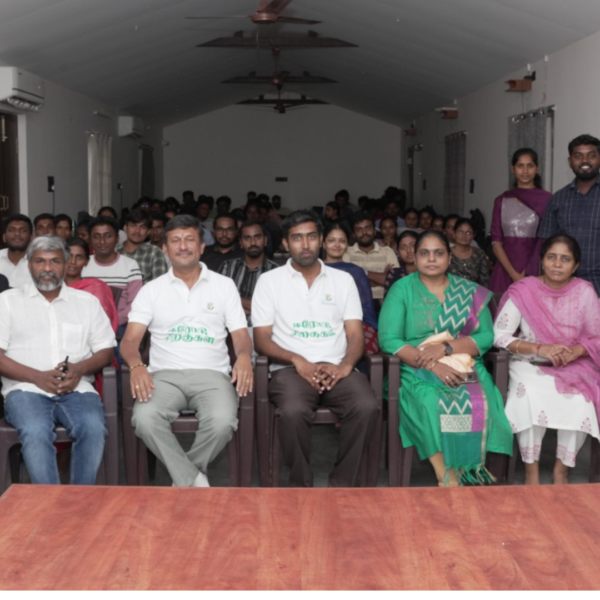
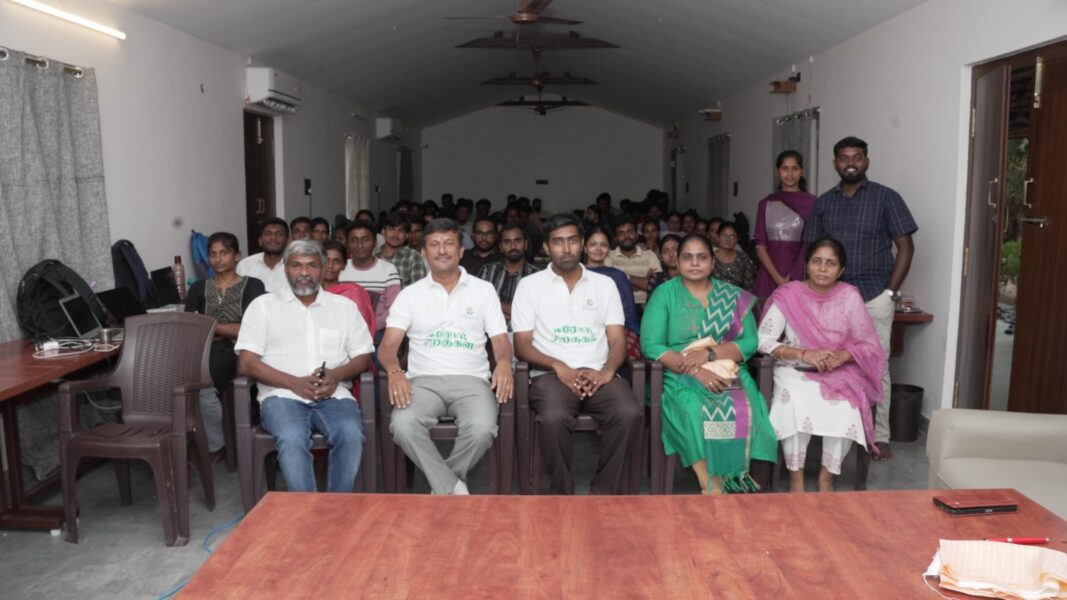
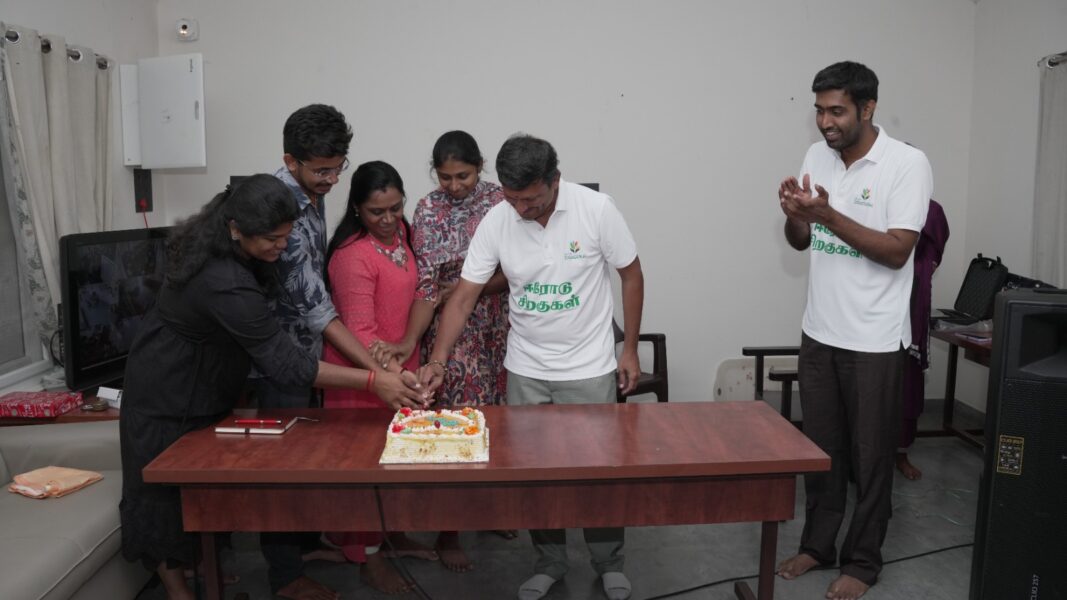
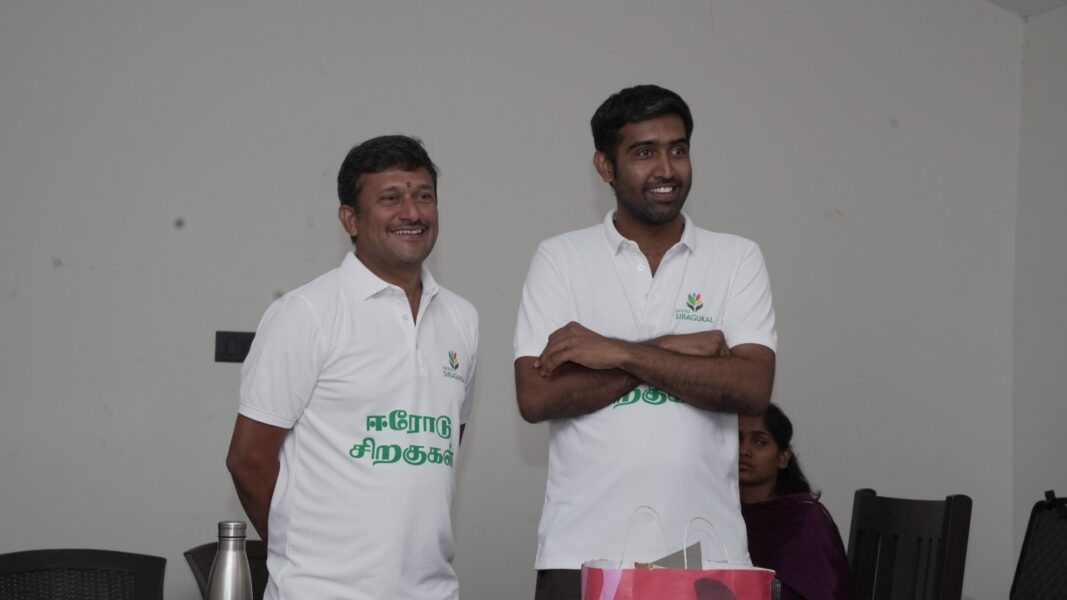
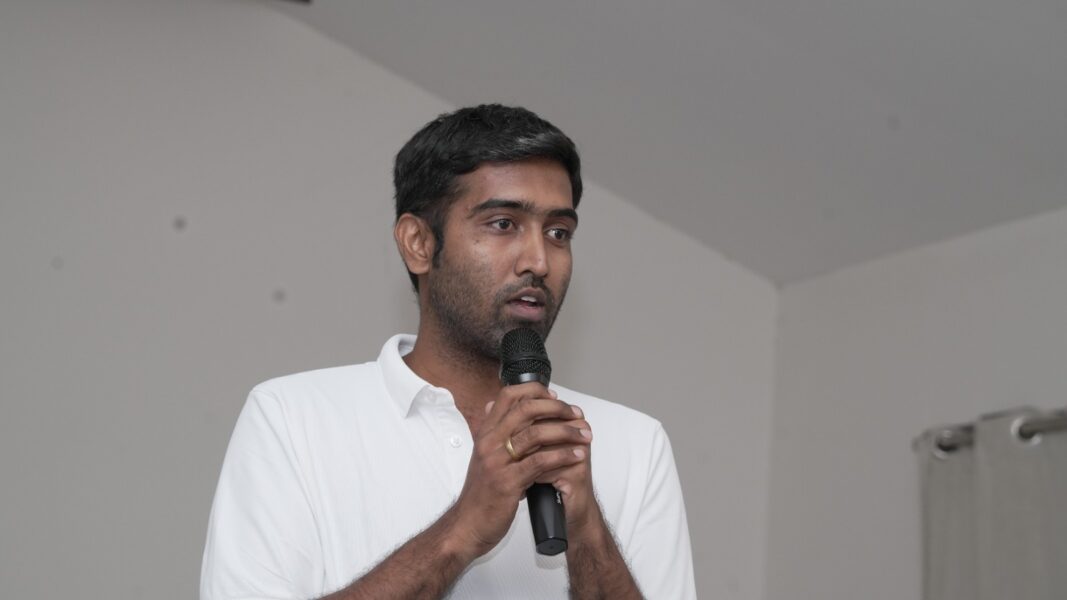
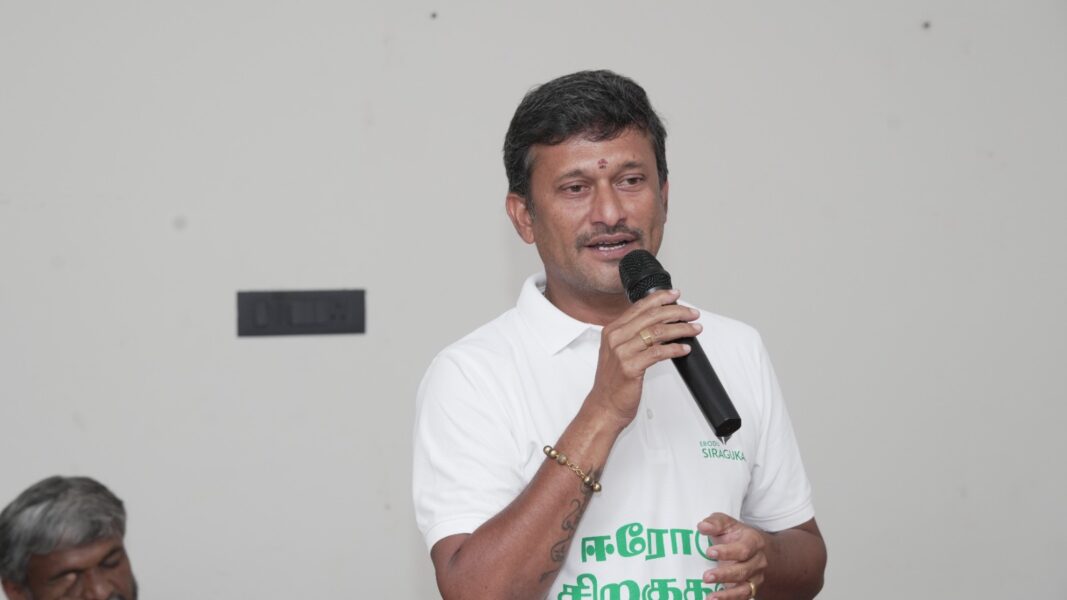
As part of our ongoing commitment to promoting environmental awareness, sustainable living, and community development, Kanavu Startup Village recently hosted a special awareness session featuring Mr. C.S. Sivakumar, Secretary of Erode Siragugal, and Mr. Karthi, who leads the organization’s Waste Management initiatives.
The session focused on environmental conservation, tree plantation, humanitarian service, solid waste management, and waste segregation practices, providing participants with practical knowledge that can be implemented in their daily lives.
Entrepreneurs, students, professionals, and volunteers actively participated in the session, making it an engaging platform for learning and discussion.
The Inspiring Journey of Erode Siragugal
The session began with an inspiring address by Mr. C.S. Sivakumar, who shared the remarkable journey behind the formation of Erode Siragugal, a voluntary organization established in 2013 with a vision to protect nature while serving society.
Mr. Sivakumar explained that his love for nature was deeply rooted in his childhood. Coming from an agricultural family, he grew up watching his father experiment with farming and plant a wide variety of trees with the dream of transforming their farmland into a thriving green ecosystem. Those early experiences instilled in him a deep respect for nature and the environment.
However, one particular incident changed his perspective forever.
During a visit to Kodaikanal, he noticed a group of Japanese students planting tree saplings as part of an internship programme. Curious about their efforts, he asked why they had travelled all the way from Japan to plant trees in India.
Their answer was simple yet profound.
They explained that environmental conservation is not limited by geographical boundaries. Forests play a vital role in maintaining the global ecological balance, and protecting them benefits every nation. If forests disappear in one region, the effects are felt worldwide through changes in climate, biodiversity, and environmental stability.
That conversation inspired him to take action instead of merely admiring nature.
After returning to Erode, he joined hands with his friend Mr. Vimal Karuppanan and founded Erode Siragugal in 2013. What began as a small volunteer initiative has today grown into a community movement involving more than one hundred dedicated volunteers working across multiple districts of Tamil Nadu.
Over the years, the organization has undertaken tree plantation drives, environmental awareness campaigns, and various community development initiatives, encouraging people from all walks of life to actively participate in protecting the environment.
Serving Humanity Alongside Nature
Environmental protection and humanitarian service go hand in hand.
Mr. Sivakumar emphasized that while planting trees helps protect the planet, extending a helping hand to people in need is equally important.
He shared the story behind one of the organization’s most inspiring initiatives.
While visiting the Government Headquarters Hospital, Erode, he observed many economically disadvantaged patients and their caregivers struggling to afford even a simple meal while undergoing treatment.
Deeply moved by their situation, he decided to celebrate his birthday differently.
On 26 July 2025, he initiated a free daily lunch service for patients and attendants at the Government Hospital. What started as a one-day act of kindness gradually evolved into a continuous community service initiative supported by volunteers and generous donors.
Every meal is prepared and served with dignity, reinforcing the belief that compassion is one of the strongest foundations of social change.
Sharing his experience, he said:
“Good intentions always attract good people. When we genuinely wish to serve society, support naturally follows.”
Understanding the Growing Waste Management Challenge
The second session was led by Mr. Karthi, who delivered an insightful presentation on solid waste management, waste segregation, and sustainable living.
He began by asking a simple yet powerful question:
“What happens to our waste after it leaves our homes?”
The question encouraged participants to think beyond waste collection and understand the complete lifecycle of waste.
Mr. Karthi explained that waste never simply disappears. Every item generated in our homes must either be recycled, composted, processed, or scientifically disposed of.
Improper waste segregation significantly reduces recycling opportunities and increases the burden on local municipalities.
He highlighted the growing challenge by mentioning that Erode Corporation collects nearly 200 tonnes of municipal solid waste every day, demonstrating the importance of responsible waste management practices and public participation.
He stressed that effective waste management is not solely the responsibility of government bodies. Every household, institution, business, and individual has an important role to play.
Waste Segregation Begins at Home
One of the most valuable takeaways from the session was the importance of segregating waste at the source.
Mr. Karthi explained that every household should separate waste before handing it over for collection.
He introduced participants to the Four-Bin Waste Segregation System, which is increasingly being adopted across urban local bodies to improve waste processing and recycling efficiency.
Green Bin – Wet Waste
Food waste, vegetable and fruit peels, leftover food, flowers, leaves, and garden waste suitable for composting.
Blue Bin – Dry Recyclable Waste
Paper, newspapers, cardboard, plastic bottles, metal containers, glass, cartons, and other recyclable materials.
Red Bin – Domestic Hazardous & Sanitary Waste
Sanitary napkins, diapers, batteries, medicines, contaminated cloth, medical waste, and other hazardous household waste.
Black Bin – Reject Waste
Multi-layered plastic wrappers, thermocol, ash, dust, broken ceramic materials, mirrors, and other non-recyclable waste that cannot be composted or recycled.
He explained that proper waste segregation helps sanitation workers, improves recycling efficiency, reduces landfill waste, conserves natural resources, and contributes to building cleaner and healthier cities.
The 8R Principles of Sustainable Waste Management
Mr. Karthi also introduced participants to the internationally recognised 8R Principles, encouraging everyone to adopt responsible consumption habits.
The principles include:
- Refuse – Avoid unnecessary plastic and single-use products.
- Reduce – Minimize waste generation.
- Reuse – Extend the life of products by using them repeatedly.
- Repair – Repair damaged products instead of replacing them.
- Repurpose – Find creative alternative uses for existing materials.
- Rally – Encourage communities to participate in environmental action.
- Rethink – Make conscious decisions before buying or disposing of products.
- Recycle – Ensure recyclable materials are properly processed.
He reminded participants that waste should never be viewed as garbage alone. With responsible management, it becomes a valuable resource that supports a sustainable circular economy.
Every Small Action Creates a Bigger Impact
The awareness session concluded with an engaging interaction where participants discussed practical solutions for protecting the environment and adopting sustainable lifestyles.
The inspiring journey shared by Mr. C.S. Sivakumar demonstrated how one life-changing experience can evolve into a movement that transforms communities.
Mr. Karthi’s practical insights on waste management, waste segregation, and environmental responsibility reinforced the idea that protecting the environment begins with our everyday choices.
Whether it is planting a tree, reducing plastic usage, segregating waste correctly, or extending support to someone in need, every small action contributes to creating a healthier planet.
At Kanavu Startup Village, we remain committed to bringing together changemakers, environmental leaders, entrepreneurs, and young minds through awareness programmes that inspire positive action and sustainable development.
Together, we can build greener communities, cleaner cities, and a future where environmental responsibility and compassion for humanity go hand in hand.
Keywords: Environmental Awareness, Waste Management, Solid Waste Management, Waste Segregation, Four Bin System, Tree Plantation, Sustainable Living, Erode Siragugal, Kanavu Startup Village, Environmental Conservation, Community Development, Sustainability, Circular Economy, Tamil Nadu, Green Communities